Appliance Labels, Explained
Energy labels translate lab test results into a few numbers you can compare across models. The catch is that the label numbers come from standardized test cycles, not from your laundry habits, your water temperature, or your kitchen layout. A refrigerator’s label, for example, reflects steady operation under defined ambient temperature and compartment loading, while a dishwasher label reflects a specific program length and water heating approach.
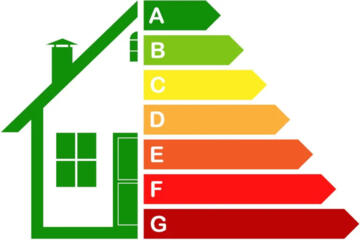
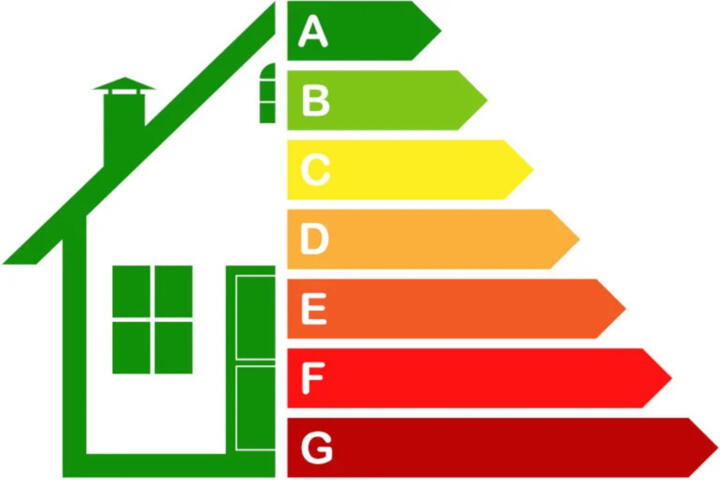
In the EU, many household appliances carry an energy label with an efficiency class and a measured annual energy use figure in kilowatt-hours (kWh). In the US, the EnergyGuide label typically shows estimated annual electricity use and estimated annual operating cost range. Both systems aim to support comparison, but they rely on assumptions that can diverge from real life. If you compare two models without checking the assumptions, you can end up choosing the wrong “best” number.
To make the label useful, you need to identify which number maps to your usage pattern. For most buyers, that means focusing on the measured energy use metric (kWh per year or kWh per cycle) and then checking the capacity and program type that drive the test cycle. I keep a small spreadsheet for label comparisons; version 1.3 of my template includes a column for “test basis” so I don’t mix annual and per-cycle figures.
What People Get Wrong
Shoppers often treat the biggest number on the label as the “most accurate” one, even when it represents a different test basis than another model. A washing machine label may show kWh per 100 cycles for a specific program, while a dryer label may show energy per cycle or per year depending on the jurisdiction and product type. Mixing those can make a model look better or worse than it is.
Another common mistake is assuming that efficiency class alone predicts your bill. Efficiency classes compress multiple test outcomes into a letter or tier, but the class boundaries depend on the label scheme and the product category. Two machines can share a class while having different annual kWh due to different capacities, spin speeds, or how much energy goes into heating water during the test.
Supporting technologies also matter, even when the label hides them. Heat-pump dryers, for instance, typically use less energy than vented electric dryers, but the label still reflects a defined moisture level and drying program. Refrigerators with different defrost strategies can show different annual kWh, yet the label assumes a specific ambient temperature range and door-opening frequency that rarely matches a busy household.
Finally, people sometimes ignore the “non-energy” parts of the label story. Dishwashers can use different water heating methods; washing machines can use different temperature settings; and some models include standby power that affects annual use. Standby power is usually small compared with active cycles, but it still shows up in test-based annual estimates, and it can matter in households that run very few cycles.
Which Numbers Actually Matter
For refrigerators and freezers, the most actionable figure is the annual energy use in kWh per year. That number is tied to the test conditions, including ambient temperature and internal configuration. If you keep the appliance in a garage or a warm utility room, your real energy use can drift upward because compressor work increases with heat load.
For dishwashers, look for energy per cycle or annual energy use tied to a defined number of cycles. The test cycle usually includes water heating, pump operation, and drying. If you often use short eco programs, you may get closer to the label’s “eco” assumptions; if you frequently run heavy soil cycles, your energy use can move away from the label.
For washing machines, the label often reports energy per 100 cycles for a standard cotton program at a specified temperature and load. Capacity matters because the test uses a defined load fraction, and your typical loads change the average energy per kilogram of laundry. A larger drum can reduce energy per kg when used efficiently, but it can also increase total annual kWh if you run more cycles.
For dryers, the label metric depends on whether the dryer is vented or heat-pump and which test standard the label uses. Heat-pump dryers generally reduce energy by recovering heat from the drying process, but drying time and load size still affect total consumption. If your label shows energy per cycle, compare models within the same dryer type and program category rather than across unrelated categories.
How To Use Labels Correctly
Match The Test Basis To Your Use
Start by identifying whether the label reports annual kWh, kWh per cycle, or kWh per 100 cycles. Then check the program name or test basis shown on the label or in the product fiche. If the label uses an “eco” program, compare eco-to-eco rather than eco-to-normal. When the label provides only annual kWh, you can still refine your estimate by adjusting for your likely cycle count.
For a quick sanity check, multiply the label’s kWh figure by your electricity rate in your local currency per kWh. If your rate is 0.30 per kWh and a dishwasher label states 200 kWh per year, the label-based estimate becomes 60 per year. That number still depends on the test assumptions, but it turns label comparisons into something you can act on. I also note the label year and scheme; a 2023 label can differ from an older one even when the appliance looks similar.
Use Capacity And Load Wisely
Capacity affects energy per load, not just total energy. A washing machine label may assume a certain load size and spin speed, so your real-world energy use depends on how full the drum is and how dry the clothes are after spinning. If you routinely underload, you can increase energy per kg because the machine still heats and runs pumps for a partial load.
For dishwashers, loading pattern matters because the test cycle assumes a standardized loading arrangement. If you run half loads frequently, you may not reach the label’s average energy per cycle. A practical method is to track your cycle count for two weeks, then compare that count to the label’s assumed cycles per year.
Check Standby And Water Heating
Standby power is usually a small fraction of annual energy for most households, but it can matter for appliances that sit unused for long periods. Look for label notes that mention standby or off-mode power, or consult the product’s technical documentation if the label provides limited detail. If you have a smart plug or energy monitor, you can measure standby power directly, though measurement accuracy depends on the device and sampling interval.
Water heating is a major driver for dishwashers and washing machines. If your household uses hot water from a heat pump water heater or solar thermal system, the “electricity” portion of your bill can differ from the label’s assumptions. Labels typically measure the appliance’s electrical energy during the test, not your home’s total energy system, so your bill can diverge even when the appliance is efficient.
Compare Like With Like
Efficiency class comparisons work best within the same appliance category and label scheme. A refrigerator class rating should not be compared to a dishwasher class rating because the test standards differ. Within a category, compare the measured kWh figure first, then check features that influence usage, such as defrost type, drying method, and cycle options.
If two models have similar annual kWh, the deciding factor can shift to reliability and serviceability rather than label numbers. Labels do not predict how often you will run extra cycles due to poor cleaning performance or how quickly a filter clogs. That’s why it helps to read the product’s maintenance requirements and cycle time ranges, even when the label looks “better” on paper.
Case Examples
Refrigerator Swap With Warm Garage
A household in a warm climate replaces an older refrigerator. The store label shows 180 kWh/year for the new model versus 320 kWh/year for the old one. The label assumes a defined ambient temperature, but the new unit sits in a garage that regularly exceeds the test range. The family estimates their real savings by using the label difference as a baseline, then reduces confidence because compressor load can rise with heat. They also plan to keep door openings short and avoid blocking vents, since those behaviors affect compressor runtime.
Dishwasher Choice With Eco-Only Habits
A renter compares two dishwashers with annual energy estimates of 210 kWh/year and 250 kWh/year. Both labels assume a similar number of cycles per year, but one model’s eco program has a longer cycle time. The renter runs eco programs most days and pre-rinses lightly, matching the label’s intent more closely than a household that uses intensive cycles. Their estimate uses the label kWh difference to decide between models, then they check whether the eco cycle reliably cleans their typical soil level. If it doesn’t, they expect extra cycles, which can erase the label-based savings.
Label Checklist And Table
Use this checklist to decide which numbers to trust for your situation.
| Appliance Type | Number To Start With | What To Check Next | Where Labels Drift |
|---|---|---|---|
| Refrigerator/Freezer | kWh per year | Ambient temperature notes; compartment size | Garage heat; door-opening frequency |
| Dishwasher | kWh per cycle or per year | Program type (eco vs intensive); assumed cycles | Heavy soil cycles; half-load habits |
| Washer | kWh per 100 cycles | Load size assumptions; spin speed | Underloading; different wash temperatures |
| Dryer | Energy per cycle (or annual estimate) | Dryer type (heat-pump vs vented); test program | Load size; drying time expectations |
Step-by-step checklist:
- Write down the label’s energy metric and its unit (kWh/year, kWh/cycle, or kWh per 100 cycles).
- Confirm the test basis: eco program, standard cotton, or the specific dryer program used.
- Convert kWh to annual cost using your electricity rate, then compare models on the same basis.
- Adjust confidence based on your home conditions: ambient temperature, cycle frequency, and typical load size.
- Check maintenance items that affect performance (filters, condenser cleaning, venting) since extra cycles raise energy use.
Common Mistakes
One mistake is comparing two models with different test programs. A dishwasher label might show annual energy for an eco cycle, while another model’s label could emphasize a different program. If you choose based on the wrong metric, you can end up with higher energy use even when the label “looks better.”
Another mistake is ignoring capacity and cycle count assumptions. A washing machine with higher capacity can show higher total annual kWh while still using less energy per kg when loaded efficiently. Conversely, a smaller machine can look better on annual kWh if the label assumes fewer cycles, even though your household might run more loads.
People also over-trust the label’s annual estimate without checking electricity rate and usage pattern. Annual kWh estimates assume a certain number of cycles per year. If your household runs far fewer cycles, the annual estimate can mislead you about the cost difference between models.
Finally, shoppers sometimes treat “eco” as a guarantee of savings. Eco programs can reduce energy by lowering water temperature or extending cycle time, but they can also lead to rewashes if cleaning performance doesn’t match your soil level. Extra cycles add energy and water, and the label does not account for that behavior.
FAQ
Do Energy Labels Predict My Bill?
They predict a label-based estimate using standardized test cycles. Your bill depends on your cycle choices, load sizes, ambient temperature, and electricity rate, so the label is a comparison tool more than a precise forecast.
Which Number Should I Compare First?
Compare the measured energy use metric in kWh with the same unit and test basis across models. Efficiency class can help, but kWh figures usually map more directly to cost when you convert using your electricity rate.
Why Do Two Models With The Same Class Differ?
Efficiency classes group results into tiers, while the label’s kWh figure reflects measured consumption under defined test conditions. Different capacities, program behavior, or standby assumptions can shift kWh even within the same class.
How Do I Compare Dishwashers Fairly?
Compare energy per cycle or annual kWh using the same program basis, then check whether the eco program matches your cleaning needs. If you often run intensive cycles, your real energy use can move away from the label estimate.
Do Heat-Pump Dryers Always Save Energy?
Heat-pump dryers typically use less energy than vented electric dryers under test conditions, but real savings depend on load size, drying time, and how often you need re-drying. Compare within dryer types and check the label’s energy metric for the specific program.
Author's Insight
Energy labels are built on standardized tests, so their numbers are consistent for comparing models within the same category and label scheme. The most reliable approach is to treat the kWh metric as the primary comparison, then adjust your confidence based on the mismatch between test conditions and your routine. I also recommend checking the program basis shown on the label or in the product documentation, since eco versus normal cycles can change energy use meaningfully. When households measure standby power or cycle counts with a simple meter or logging app, they often find the label’s annual estimate is directionally right but not exact.
Key Takeaways
- Use the label’s measured kWh figure as the main comparison number, not the efficiency class alone.
- Match the test basis and units across models to avoid mixing annual and per-cycle metrics.
- Capacity, load size, and program choice shift real energy use away from lab assumptions.
- Convert kWh to cost using your electricity rate, then adjust expectations for your home conditions.
- Maintenance and cleaning performance affect how many cycles you run, which can outweigh small label differences.